
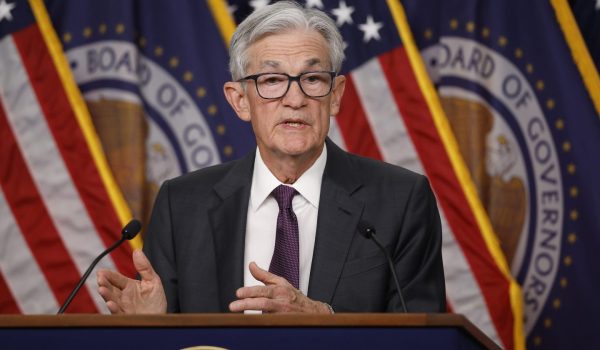
President Trump’s recently imposed tariffs have sent shockwaves through the U.S. economy, sparking concerns about inflation, slowed growth, and potential increases in unemployment. Federal Reserve Chair Jerome Powell has weighed in, highlighting the uncertainty and elevated risks these tariffs pose, stressing their larger-than-expected scope and their likely long-term effects on the economy. For lenders in the mortgage and consumer lending sectors, these developments present a new set of challenges and necessitate a recalibration of strategies to minimize risks while seizing emerging opportunities.
This article unpacks the macroeconomic impacts of the tariffs, their implications for consumer lending, and how lenders can adapt to this shifting economic terrain. It also explores why working with data-driven partners like DataVue is more critical than ever to sustain growth and manage risks effectively.
The Macro Impacts of Tariffs
Higher Inflation and its Downstream Effects
According to Jerome Powell, tariffs are “highly likely to generate at least a temporary rise in inflation” as the costs of imported goods climb. However, Powell also warned of the possibility that “the effects could be more persistent,” especially if businesses pass on higher costs to consumers in the form of increased prices. This inflationary pressure is expected to hit everyday essentials such as consumer electronics and household staples, leaving families with less discretionary income.
For lenders, inflation creates a double-edged sword. A higher cost of living reduces consumers’ ability to handle debt, which can lead to slower demand for new loans or refinancing products. At the same time, borrowers who are already financing mortgages, auto loans, or credit card balances may find the burden harder to sustain, risking higher delinquency rates.
To illustrate the scale of this change, Powell noted that inflation expectations are critical to monitor during this period of uncertainty. “Our obligation is to keep longer-term inflation expectations well anchored,” he said, reiterating the Fed’s commitment to ensuring that temporary hikes in prices don’t devolve into broader economic instability.
Slower Economic Growth
Powell also highlighted that tariffs are expected to drag down economic performance, saying, “The economic effects [of the tariffs] will include higher inflation and slower growth.” Retaliatory measures by trading partners such as China compound the issue, as they restrict critical exports and disrupt supply chains, hitting industries like technology and agriculture particularly hard.
This potential slowdown concerns lenders greatly, as weak GDP growth translates into muted consumer confidence and less borrowing. Powell emphasized the tension between economic indicators, describing the disparity between “hard data” like job growth and “soft data” like business sentiment surveys, which point to a deceleration. For lenders, this environment makes it critical to approach borrower acquisition strategically, focusing on identifying creditworthy individuals who continue to have stable income streams despite economic headwinds.
Elevated Risks in the Job Market
Tariffs carry implications for the labor market, which could ripple through lenders’ portfolios. Powell cautioned that “We face a highly uncertain outlook with elevated risks of both higher unemployment and higher inflation.” Industries heavily impacted by tariffs, such as manufacturing and agriculture, are more likely to face layoffs and hiring freezes, increasing unemployment in regional pockets. This, in turn, increases the risk of missed repayments among borrowers in these industries.
For mortgage and consumer lenders, adjusting underwriting criteria to account for sector-specific risks becomes essential. Borrowers with stable employment in sectors insulated from tariff impacts should be prioritized over those whose industries may experience turbulence in coming months.
Implications for Consumer Lending
Cautious Borrower Behavior
Inflation, job uncertainty, and diminished economic growth are likely to prompt potential borrowers to hold off on major financial decisions, such as taking out a mortgage or funding discretionary purchases via personal loans. This “wait-and-see” behavior could suppress demand for lending products, leaving lenders facing reduced volume.
Furthermore, Powell’s acknowledgment that “uncertainty is high” underscores the challenges lenders face. Existing borrowers may delay refinancing even when it could be advantageous, while potential homebuyers might postpone plans in the face of rising costs and wavering economic confidence.
Increased Delinquency Risks
Economic instability often impacts lower- and middle-income borrowers first. Rising prices and stalled wage growth could push some borrowers to the edge of delinquency. Federal Reserve Governor Lisa Cook noted that “inflation expectations had ticked up” even before the announcement of larger-than-expected tariffs, meaning the lending ecosystem must brace for ripple effects across its portfolios.
For lenders, this calls for a reevaluation of traditional risk models. Historical data alone cannot predict how consumers will weather the unique combination of inflationary pressure, trade volatility, and economic uncertainty. Models must now incorporate more dynamic, forward-looking insights to stay ahead of potential defaults.
Why Lenders Need DataVue to Navigate Uncertainty
Economic volatility requires more than just adaptability; it demands precision. Lenders must rethink traditional strategies to identify the most promising borrowers, reduce risks, and enhance portfolio profitability. DataVue offers lenders the advanced tools and insights needed to thrive in this uncertain climate. Here’s how:
Smarter, More Targeted Borrower Profiles
One of the critical challenges in a turbulent economy is finding borrowers who are not only willing to borrow but are also likely to repay. DataVue’s machine learning-powered Borrower Propensity Model uses over 1,300 credit attributes combined with real-time property data to identify high-potential borrowers. This means lenders can stop casting a wide net and instead focus resources on well-qualified prospects who are ready to act.
For example, one DataVue client sought to refine their acquisition strategy across 22 states, targeting borrowers with FICO scores of 640+, manageable debt levels, and Loan-to-Value (LTV) ratios below 80%. With DataVue’s insights, the lender uncovered 45,000 qualified candidates and implemented tailored outreach campaigns that led to higher profitability and lower acquisition costs.
Unlock the Power of Trended Data
Unlike static credit profiles, which offer only a snapshot of a borrower’s finances, DataVue leverages trended data to provide a fuller picture. Trended data tracks shifts over time, enabling lenders to identify improving financial behavior or early warning signs of distress. For example, borrowers seen to be managing revolving debt responsibly could be given preferential rates, driving loyalty and retention.
This predictive power helps lenders not only identify borrowers who align with their criteria today but also those poised for successful repayment tomorrow. It’s a critical advantage in navigating an uncertain lending market.
PrecisionPulse™ Triggers
Economic uncertainty amplifies the importance of timing. DataVue’s PrecisionPulse Triggers analyze real-time activity to deliver daily alerts on in-market borrowers who are actively engaging with credit offers or who show signals of readiness to refinance. By acting on these insights, lenders can get ahead of their competitors, engaging prospects when they are most likely to convert.
Proven Results in Action
Lenders working with DataVue report measurable success. For instance:
- A recent initiative targeted high-propensity Cash-Out refinance and Streamline FHA candidates with specific credit profiles. The result? Over 60,000 well-qualified leads generated, with a conversion rate that outpaced industry averages.
- With DataVue’s proprietary loan intent prediction models, lenders have achieved response rate improvements of over 113% in targeted campaigns, while also slashing acquisition costs by as much as 50%.
Resiliency in a Volatile World
Navigating the economic challenges posed by Trump’s tariff policies requires lenders to adopt a smarter, data-driven approach. DataVue equips institutions with the tools they need to manage risk, optimize outreach, and enhance borrower engagement. From understanding borrowers’ long-term repayment potential to identifying under-the-radar market opportunities, DataVue is the go-to partner for lenders who seek both profitability and sustainability.
The Path Ahead
The fallout from President Trump’s tariffs highlights one undeniable truth for the lending industry: adaptability is non-negotiable. Rising inflation, potential economic slowdowns, and evolving consumer behaviors mean lenders must refine their strategies to stay competitive. By leveraging advanced data analytics like those powered by DataVue, lenders are no longer reactive to these challenges; they can anticipate them, turning complexity into opportunity.
At a time when every dollar counts, DataVue ensures lenders are not just acquiring borrowers but acquiring the right ones. Prepare your portfolio for what comes next. Partner with DataVue today and position your business for sustained success in uncertain times. Contact us for a FREE Strategy Call.