
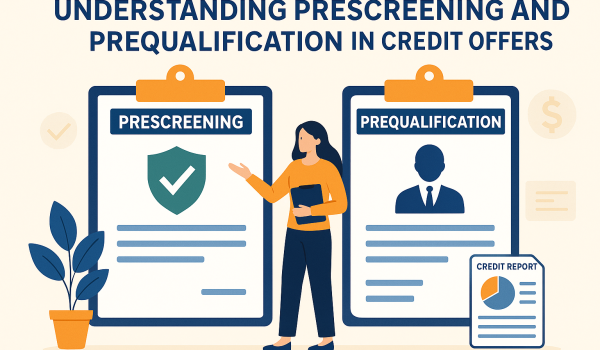
Understanding Credit Prescreening and Prequalification in Offers
In the realm of credit and lending, terms like “prescreening” and “prequalification” often surface, especially when consumers receive unsolicited credit offers. Prescreening is typically conducted without the consumer’s knowledge, meaning consumers are often unaware when their information is used for prescreening purposes. While they might seem similar, these processes have distinct differences that are essential to understand.
What is Prescreening?
Prescreening is a process where lenders evaluate a consumer’s credit information to determine eligibility for specific credit offers. This evaluation is conducted without the consumer’s direct involvement and does not impact their credit score. Credit bureaus compile lists of consumers who meet certain credit criteria set by lenders. By prescreening consumers, lenders can proactively identify the right consumers who are most likely to benefit from and qualify for their offers. These lists are then used to extend firm offers of credit, often seen in the form of preapproved credit card or loan offers received via mail or email. These offers are sent to consumers who, based on the analysis of extensive and up-to-date credit records, are most likely to respond positively. Lenders use credit prescreen to target consumers based on specific credit criteria for better terms, utilizing comprehensive credit records to optimize the selection of the right consumers for each offer.
Key Features of Prescreening:
- Firm Offers of Credit: Consumers identified through prescreening receive firm credit offers, which means they are guaranteed the offer as long as the information in their credit report remains unchanged.
- Example: A consumer may receive a preapproved credit card offer in the mail after being prescreened based on their credit profile.
- Soft Inquiries: The process involves a soft inquiry into the consumer’s credit report, which does not affect their credit score.
- Opt-Out Option: Consumers have the right to opt out of prescreened offers through official channels.
- Regulatory Compliance: Prescreening practices are governed by the Fair Credit Reporting Act (FCRA), ensuring consumer rights and data protection. The FCRA establishes clear guidelines for the use of credit data in prescreening, safeguarding consumer privacy and ensuring transparency in the process.
What is Prequalification?
Prequalification, on the other hand, is initiated by the consumer. Banks and other financial institutions often offer prequalification processes to consumers at the point of initial contact, allowing them to explore credit options like credit cards or personal loans. When a consumer expresses interest in a credit product, they may undergo a prequalification process where the lender assesses their creditworthiness based on information provided by the consumer and possibly a soft credit inquiry, in order to determine if the consumer is likely to qualify for the credit product. This process helps consumers understand the likelihood of approval before formally applying, which would involve a hard credit inquiry.
Key Features of Prequalification:
- Consumer-Initiated: The process starts when a consumer seeks information about potential credit offers.
- Soft Inquiries: Similar to prescreening, prequalification involves soft credit inquiries that do not impact the credit score.
- No Firm Offers: Unlike prescreening, prequalification does not guarantee a firm offer of credit.
- Informed Decision-Making: Prequalification allows consumers to assess their chances of approval and compare different credit products before committing to a full application.
Receiving Prescreened Credit Offers
Receiving a prescreened credit offer is a common experience for many consumers, thanks to the collaboration between credit reporting companies like Equifax and Experian and financial institutions. These companies use credit data to identify potential customers who meet specific criteria set by lenders. Typically, prescreened credit offers arrive via direct mail or digital channels, and are based on information found in your credit report, such as your credit score and payment history.
The Fair Credit Reporting Act (FCRA) plays a crucial role in regulating how your credit data is used for prescreening, ensuring that both lenders and credit reporting companies follow strict guidelines to protect your privacy. When you receive a prescreened credit offer, it means a lender has already determined that you meet their initial criteria for a particular credit product, such as a credit card or personal loan.
Before deciding to accept an offer, it’s important to carefully review the terms and conditions. Consider whether the credit product fits your financial needs and goals, and compare it to other offers you may receive. If you decide that prescreened offers are not right for you, you have the option to opt out by contacting the credit reporting company or the lender directly.
Prescreened credit offers can provide valuable access to new credit products, often with competitive interest rates and terms. However, it’s essential for consumers to weigh the benefits and potential risks, such as taking on unnecessary debt, before applying. By staying informed and reviewing each offer thoroughly, you can make the best decision for your financial situation.
Impact on Credit Reports and Credit Reporting Companies
Both prescreening and prequalification involve soft inquiries, which are noted on credit reports but do not affect credit scores. However, if a consumer proceeds to apply for credit after these processes, a hard inquiry will be made, which may have a temporary impact on their credit score.
Opting Out of Credit Offers
If you prefer not to receive unsolicited prescreened credit offers, opting out is a straightforward process supported by the Fair Credit Reporting Act (FCRA). Credit reporting companies and financial institutions are required to provide consumers with clear options to stop receiving these offers. You can opt out by visiting the official website, such as optoutprescreen.com, or by contacting the credit reporting company directly by phone or mail. You’ll need to provide some basic personal information, like your name, address, and social security number, to complete the process securely.
Once you opt out, you will no longer receive prescreened credit offers from most lenders and financial institutions. However, you may still get offers from other sources, such as companies with which you have an existing business relationship. To further reduce unwanted marketing, you can use services like DMAchoice.org to opt out of direct mail and email campaigns from additional companies.
Additionally, it’s a good idea to regularly review your credit report to ensure all information is accurate and to monitor for any signs of identity theft. By taking these steps, you can protect your personal data, reduce the risk of fraud, and gain more control over the marketing communications you receive. Opting out empowers you to decide how your credit information is used and helps you maintain greater privacy and security in your financial life.
Conclusion
Understanding the differences between prescreening and prequalification can empower consumers to make informed decisions regarding credit offers. While prescreening provides firm offers based on existing credit information, prequalification offers a preliminary assessment initiated by the consumer. Both processes are valuable tools in the credit landscape, offering benefits to both lenders and consumers when used appropriately. Additionally, prescreening helps reduce acquisition and mailing costs by segmenting a lender’s prospect list, making the process more efficient and cost-effective for financial institutions. Prescreening enables lenders to target the right customer groups and prospects who are in the market for credit and insurance products, using digital prescreen and data-driven insights to optimize marketing campaigns and improve response rates. Insurance companies also use prescreening to send unsolicited offers to specific groups, and consumers can choose to opt out of these offers or pay for premium opt-out services. For more information, readers are encouraged to visit the official opt-out site to learn about their options, access support resources, and manage their preferences regarding unsolicited offers.
Note: This article is for informational purposes only and does not constitute financial advice. Always consult with a financial advisor or credit professional for personalized guidance.
